

 Woman shopping premium grocery items at the grocery store. – Photo courtesy of Helena Lopes from Pexels
People often assume chefs buy every ingredient premium. But professionals know where quality makes a difference — and where it doesn’t.
As a general rule, chefs recommend spending more when a particular ingredient is the focal point of a dish, or the quality will noticeably affect the outcome — and resisting the upgrade when you’re paying for convenience, marketing, or subtleties that will mostly be masked by other flavors.
“I’ll pay more when I can taste the difference in the final bite, not simply because the package tells me it’s premium,” says Tambo Barrow, chef at BRED Brands.
I asked several pro chefs what premium grocery items they think are most worth the splurge, and what products you’re better off buying for cheap. See their recommendations ahead:

Where chefs recommend splurging
Extra virgin olive oil and butter
 Kerrygold Soft Butter Tub – Photo courtesy of Target
Several of the chefs we spoke with said it’s well worth paying a premium for fats — whether you’re cooking steak, pasta, or veggies.
“A good oil adds aroma, fruitiness, and a slight peppery quality that becomes part of the dish,” explains Jesus Arevalo, chef at Sogno.
Jason Santos of Citrus & Salt and Buttermilk & Bourbon notes that a high-quality extra-virgin olive oil has more complexity, which is key when you’re finishing a salad, fish, or even just dipping bread in it.
“Butter is another ingredient I won’t compromise on,” he adds.
According to Santos, European-style butter is noticeably creamier and more flavorful, thanks to the higher butterfat content, adding more richness of taste to something as simple as toast or mashed potatoes.
Shop related products:
Fresh seafood
 The Chef’s Seafood Collection – Photo courtesy of Snake River Farms
Chefs agree that freshness and proper handling can justify spending more on seafood.
“Properly handled fish and shellfish should smell clean, have a firm texture and taste naturally sweet,” says chef Sean Olson of Salt + Stone. “No amount of sauce can fix seafood that has lost its freshness.”
You’ll often have an easier time finding the freshest fish at busier, high-volume markets where inventory is turned over quickly, and at shops with specialty fishmongers who know more about sourcing.
Keep in mind, though, that “sushi-grade” is not a regulated term, so it doesn’t necessarily guarantee the fish is better quality.
“The wording alone does not tell you how fresh the fish is or how carefully it was handled,” explains Cocolee chef Quang Tran. “If you plan to serve fish raw, buy it from a knowledgeable, reputable seafood seller and ask the right questions rather than paying more for a label.”
Shop related products:
High-impact flavor builders
Sometimes, a very small amount of something — say, a pinch of peppercorns, or a drizzle of sauce — can heavily influence the entire dish. It’s well worth splurging in these cases.
Case in point: authentic parmesan cheese.
“Properly aged Parmigiano has nuttiness, saltiness and natural umami that packaged grated cheese cannot reproduce,” explains Arevalo.
Barrow advises buying whole spices rather than pre-ground.
“Toasting and grinding them yourself gives you a much deeper flavor than a seasoning blend that has been sitting on a shelf for a year,” he says.
For Northern Spy chef Marc Sheehan, a good quality vinegar is priceless: A little goes a long way in brightening vinaigrettes and sauces.
And according to Tran, a clean, well-made fish sauce offers savory depth rather than just aggressive saltiness.
Where chefs say to save
Wagyu ground beef and gourmet burger patties
 Wagyu Ground Beef Brick Pack – Photo courtesy of Snake River Farms
Not all beef is created equal, but don’t confuse “better” with “luxury”: Chefs agree fat content and freshness matter far more than a premium label when it comes to burgers.
“Once the meat is ground, you can get an excellent burger from a good chuck with the right fat content for much less money,” explains Olson. “Save the Wagyu experience for a cut where the marbling can actually be appreciated.”
For the best results, Barrow recommends skipping the pre-made patties and choosing freshly ground beef — then putting your money toward fresh herbs and whole spices to season the patties yourself.
Shop related products:
 Pre-cut and preseasoned foods
Buying pre-marinated meat and ready-to-roast veggies may save you a little time, but it’ll often cost you a lot more. Not only that, but Santos notes that pre-cut produce typically spoils much faster.
A prime example: Sheehan recently spotted a $12 package of just six preseasoned fingerling potatoes. Meanwhile, a three-pound bag that will yield several days’ worth of side dishes costs only $2.50 — and you probably have all the seasonings you need to roast them right in your pantry.

Fresh pasta
 Italian Pasta Night Gift Crate – Photo courtesy of Williams-Sonoma
You might be surprised to learn that fresh pasta isn’t necessarily better than dried — in fact, sometimes the opposite is true.
“For many sauces, a reasonably priced dried pasta made from durum wheat holds its shape and texture better,” explains Arevalo. “Home cooks should choose the pasta that suits the sauce rather than assuming the most expensive package is the best one.”
Shop related products:
Name-brand basics
Don’t overlook store-brand items, particularly when it comes to staples like canned tomatoes.
“Many store brands deliver excellent quality because the tomatoes are picked and packed at peak ripeness,” says Santos. “In my opinion, they can often taste better than out-of-season fresh tomatoes.”
Arevalo doesn’t see any reason to pay more for peas, either — whether you’re using them for soup, pasta, risotto, or a simple purée.
“They are generally frozen very soon after harvesting, so they retain their sweetness, color and texture,” he explains.
Truffle oil and specialty salts
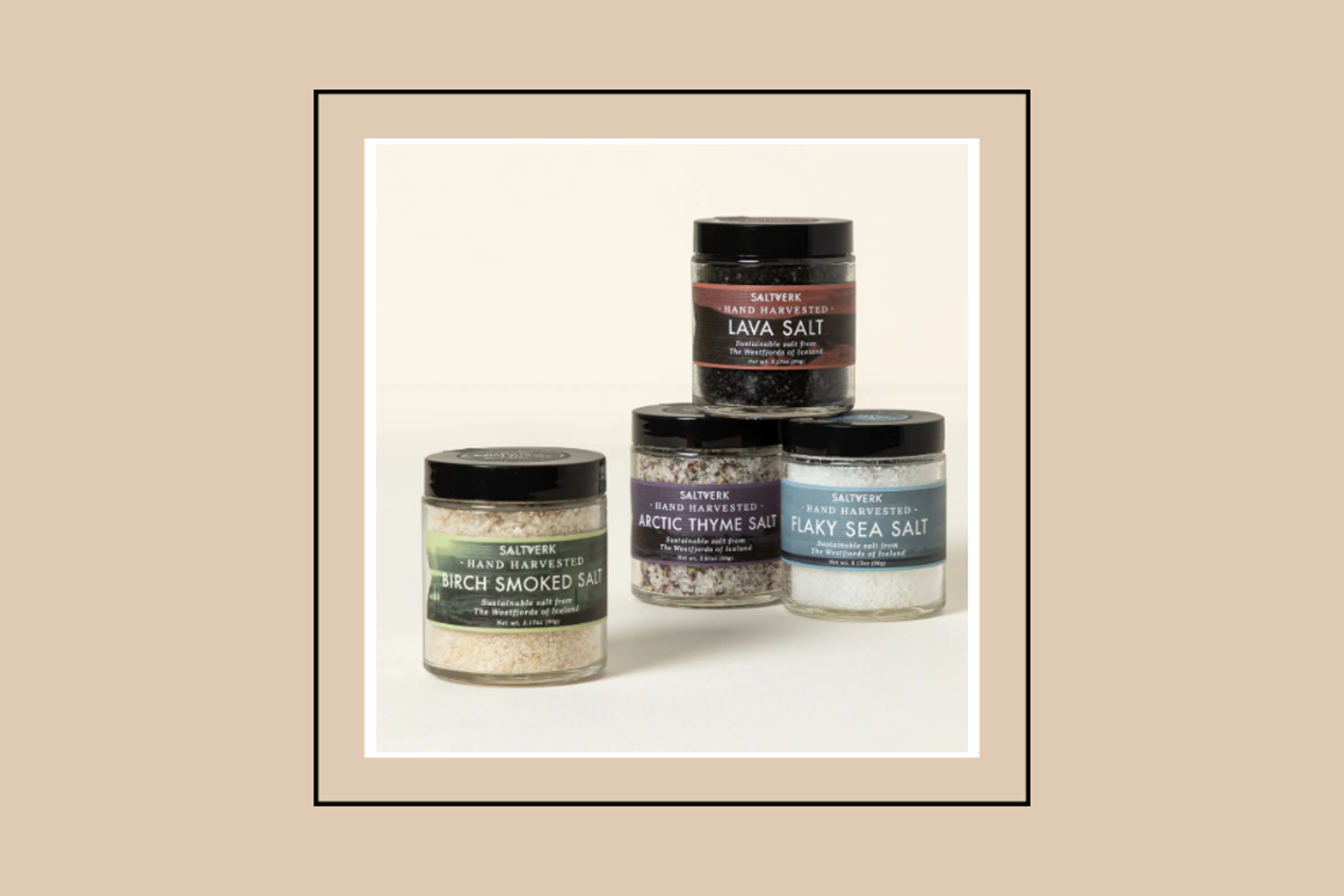 Icelandic Elements Sea Salt Collection – Photo courtesy of Uncommon Goods
“Most bottles of truffle oil that you’ll find on grocery store shelves aren’t actually made with real truffles, says Santos — they’re flavored with fake aroma compounds, which is why they have an overpowering flavor with no nuance or complexity.
Olson says Himalayan pink salt isn’t really worth paying a premium for, either.
“It looks beautiful and has a great story, but a dependable kosher salt will do the job for far less money,” he explains. “If you want a special salt, buy a small amount of flaky finishing salt and use it where the texture will actually be noticed.”
Ultimately, Santos says it’s important to look beyond the language on the label.
“I’m always skeptical of ingredients that lean heavily on buzzwords like ‘artisan,’ ‘gourmet,’ or ‘chef crafted,’” he tells 10BEST. “I care more about where an ingredient comes from, how it’s produced, and how it tastes. Great cooking starts with genuinely good ingredients, not marketing.”
Shop related products: