Key Takeaways
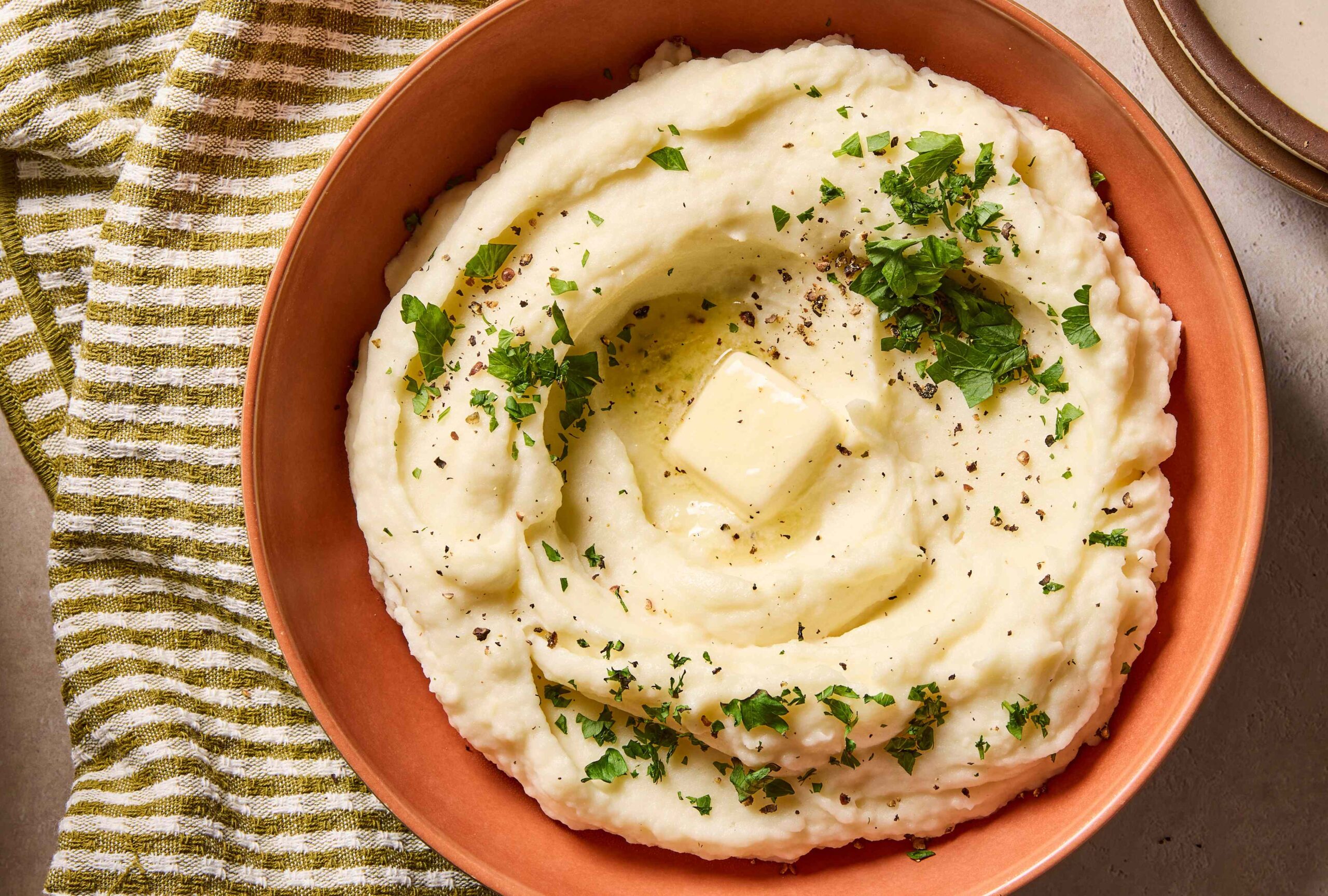
Russet potatoes are the top choice for light and fluffy mashed potatoes due to their starchy texture.
Yukon Gold potatoes offer a smooth, buttery flavor, making them ideal for creamy mashed potatoes.
Waxy potatoes like fingerlings and Red potatoes are not recommended for mashed potatoes.
Po-tay-toe, po-tah-toe, right? While that old idiom might make you believe that all potatoes are essentially the same, that’s far from the truth, our Test Kitchen pros often remind us. Due to their inherent texture and flavor, it turns out that there’s a “best potato” for mashed potato recipes, French fries, potato salad, potato soup, baked potatoes, and beyond.
“The best potatoes to work with depend on what your cooking desires are, flavor preferences, and what other foods you’re pairing with,” explains Todd Segneri, executive chef at Culinary Canvas Catering in St. Louis, Missouri.
To help us pinpoint the best potatoes for mashed potatoes from all of the most popular potato varieties, we sat down with Segneri and two other culinary pros to peel back the layers on this hot potato of a topic.
Meet Our ExpertThe Best Potatoes for Mashed Potatoes
“Potatoes fall on a spectrum from starchy to waxy, and the best potatoes for mashed potatoes are starchy varieties,” says Megan Hill, executive chef and CEO at Culinary Hill.
As for which starchy spuds rise to the top for this task, our panel agreed on the top three best potatoes for mashing.

Credit: skhoward / Getty Images
Russet Potatoes (aka Idaho Potatoes)
Best for: Light and fluffy peel-free mashed potatoes
Rocking a thick, easy-to-peel skin and often large in size (read: less putzy peeling required for the same amount of flesh), “the king of starchy potatoes is the humble russet potato, which is always my top choice for mashed potatoes,” Hill explains.
The starchy interior absorbs liquid like a sponge when cooked, she continues. As a bonus, earthy russets tend to be among the most economical potatoes at the grocery store.
“When cooked, the flesh is tender and fluffy,” Hill adds.
Tips
Test Kitchen Tip: Idaho potatoes are a subset of russets grown specifically in Idaho.

Credit: billnoll / Getty Images
Yukon Gold Potatoes
Best for: Soft and silky mashed potatoes
If a smooth, buttery-tasting mash is what you’re after, our experts will steer you toward Yukon Golds as the best potatoes for mashing. Since they’re a cross between North American white potatoes and South American yellow (waxy) potatoes, “they have enough starch to make an excellent mashed potato with a mild buttery flavor and a lovely golden hue,” Hill says.
Segneri adores the fact that Yukon Golds are a breeze to cream. In addition, their inherent buttery yet earthy flavor makes for an ideal pairing for fresh herbs or compound butters, he adds.
Credit: ttatty / Getty Images
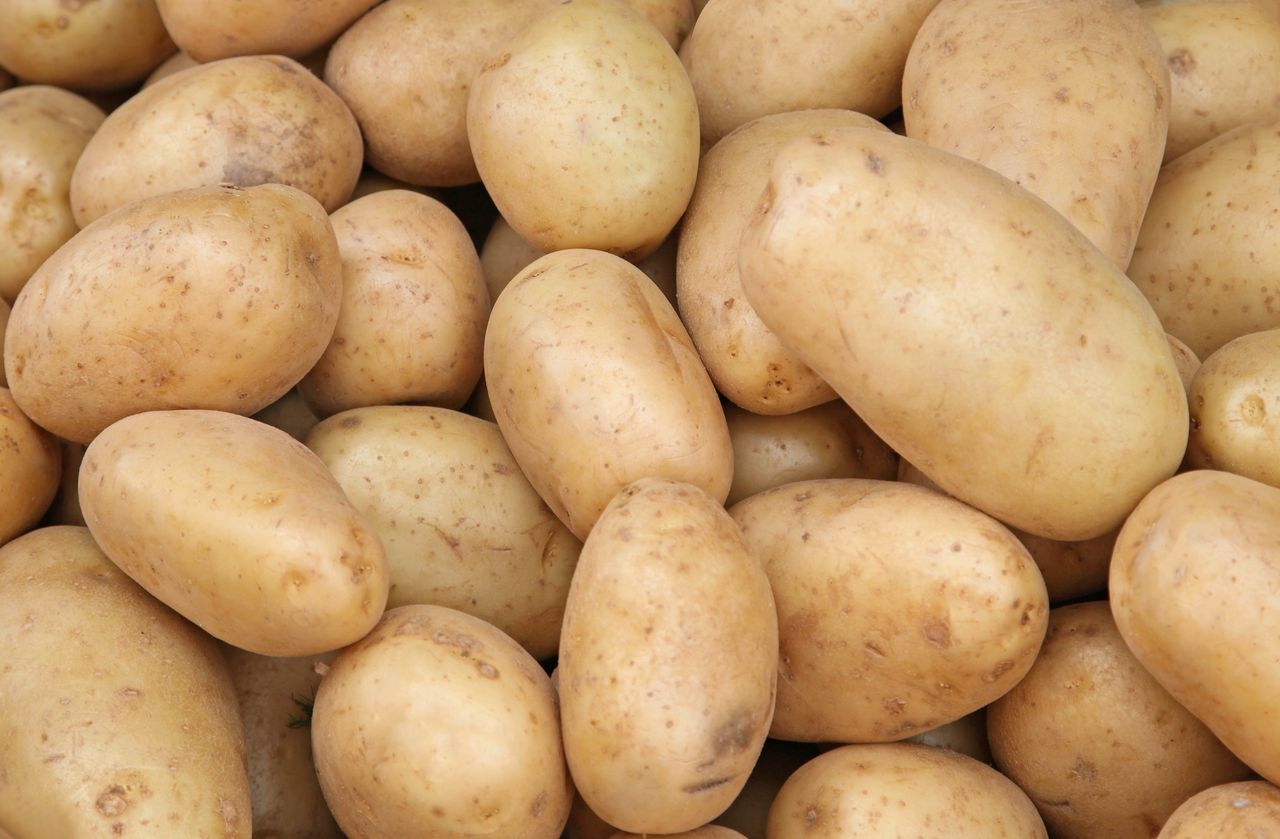
White Potatoes
Best for: Skin-on mashed potatoes
White potatoes are considered an all-purpose potato with both starchy and waxy qualities, according to Hill. Just like their Yukon Gold cousins, these cook up very creamy. White potatoes’ relatively thin skin means that these are among the best potatoes for mashed potato recipes that err more on the rustic side.
Segneri prefers to leave some of the skin on when using any of these best potatoes for mashed potatoes—especially Yukons and White—because “it’s where most of the vitamins and nutrients are. There’s a ton of fiber in the skin, plus it gives more of a rustic flavor and texture.”
Regardless of which spud you select, it’s important to not overwork the potatoes.
“The more you mash, the gluier they become. If you want fluffy mashed potatoes—use Russets and a potato ricer. If you want creamy mashed potatoes, use Yukon Gold or White and mash them just until smooth.
Tips
Try MyRecipes, our digital recipe box, to stash and organize all your favorite Better Homes & Gardens recipes.
The Worst Potatoes for Mashed Potatoes
On the opposite end of the spud spectrum from starchy is waxy, and the varieties with this quality are among the worst potatoes for mashes. These lower-starch potatoes include:
“The waxiness helps the potato hold its shape even when cooked, so it fundamentally resists the mashing process,” Hill says. “Even if you manage to break down waxy potatoes, you’re likely to end up with a bowl of gluey—rather than fluffy—mash.” Lauren Grant-Vose, founder of Zestful Kitchen, explains the resulting texture as “rather flat.”)
Reserve these waxy potatoes for soups, salads, roasting, and gratins instead. Or try them in dishes like our Fried Smashed Potatoes.
“Boil them until they are soft enough to smash down or can be shaken to fluff up the texture, and then pop them in a hot skillet to pan-sear. They get a delicious crust that has crunch and a depth of flavor as the potatoes crisp up in the oil,” Sengeri explains.
Also stay away from shriveled potatoes or any with dark spots. These are signs the produce may have gone bad, Sengeri reminds us.
Is it Okay to Use More than One Type of Potatoes in Mashes?
Grant-Vose and Segneri suggest sticking to one at a time.
“Each potato needs slightly different things, including amount of cooking, mashing, added fat, and added liquid,” Grant-Vose says.
This yields a classic, versatile base for any mix-ins or garnishes you desire, such as roasted garlic, fresh herbs, cheese, cooked and crumbled bacon, or infused oils.
Hill says it depends on the occasion. For holidays, traditions and family expectations, she prefers her family’s heirloom recipe made with only one variety of potato: the Russet.
“I stick to a classic recipe for Thanksgiving, Christmas, and Easter. All bets are off the rest of the year, though. For dinner parties and weeknights, I love to experiment with different combinations of potatoes or even a single variety of potato mashed with another vegetable like cauliflower,” Hill says.
The Bottom Line
The best potatoes for mashing are starchy potatoes, including Russets, Yukon Gold, and White Potatoes. The worst? Waxy potatoes like Fingerlings, Baby, New, and Red potatoes. Save those for potato soups, salads, casseroles, or pan-frying.
Your safest bet for quality control and consistent flavor is to stick with one potato variety at a time for mashing. However, if you’re feeling adventurous, mix things up and combine two or all three of the best potatoes for mashed potatoes into one best-of-all-worlds blend.
Whichever path you choose, avoid over-mashing, which can leave you with a gluey or gummy-textured mix. Don’t forget to get creative with your mix-ins, upgrades, or toppings.
Related: I Tried Dolly Parton’s Mashed Potatoes, and Her Tool for the Perfect Texture Is Genius
Read the original article on Better Homes & Gardens