
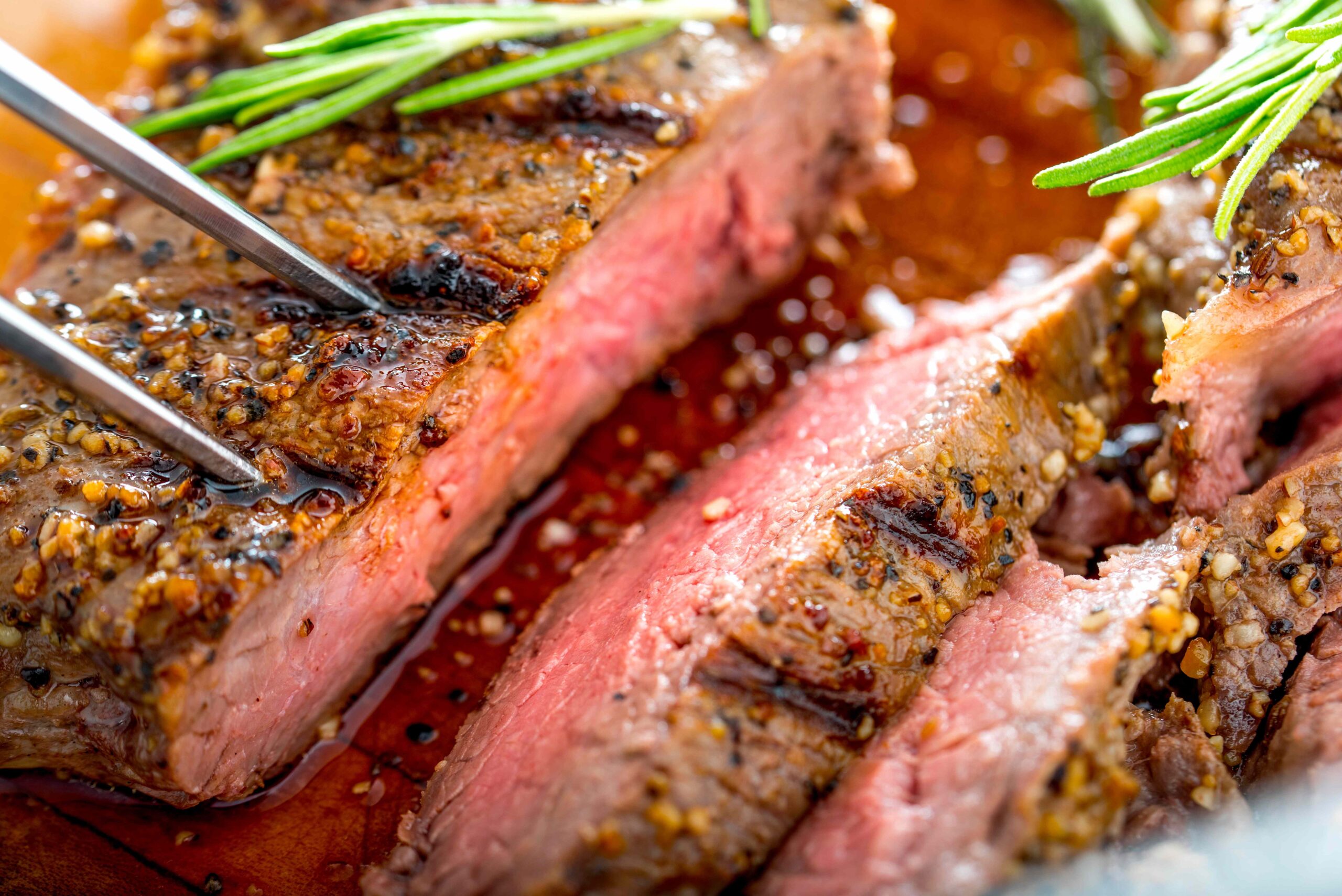
Marinades are magical things: they infuse flavors into proteins of every kind and can turn a tough cut of meat into a succulent one. That alchemy is at work whether you’re using a homemade marinade or making store-bought salad dressing work the double-shift.
But marinades are bound by a stubborn rule: most seasonings are fat soluble, meaning they only penetrate a few millimeters into a steak’s surface. Knowing that more surface area means more flavor, poking holes into a steak should help marinade travel deeper. So why does it feel like taking a pitchfork to something you’re supposed to pamper with a basting brush? I asked three chefs and meat experts whether poking holes helps. Their answer: a unanimous, slightly exasperated no.
Meet the Experts
Robert Irvine: Grilling expert and celebrity chef from “Restaurant Impossible”
Credit: Simply Recipes / Getty Images
What Poking Holes Does to Steak
Poking holes doesn’t open a path for marinade—it opens a liability. “While you can create physical divots for the marinade to sit in, it won’t diffuse it further into the meat,” Pryles says. “So you can really brutalize the texture of your steak for no reason.”
Irvine agrees, and highlights what those punctures do once the steak hits the heat. “Piercing the meat creates channels that let natural juices escape during cooking, which can leave you with drier results,” he says. “On a good cut of steak you’re basically creating leaks, which is the last thing you want.”
Borghesan explains, “The vast majority of the flavors will remain trapped outside anyway, and now your meat has holes in it. Those holes will allow fat to escape as it renders, and serve to dry out your cut.” Poking holes doesn’t solve the fat-soluble seasoning problem—it just gives the juice you’re trying to keep an exit route out the back.
The Best Way To Marinate Steak
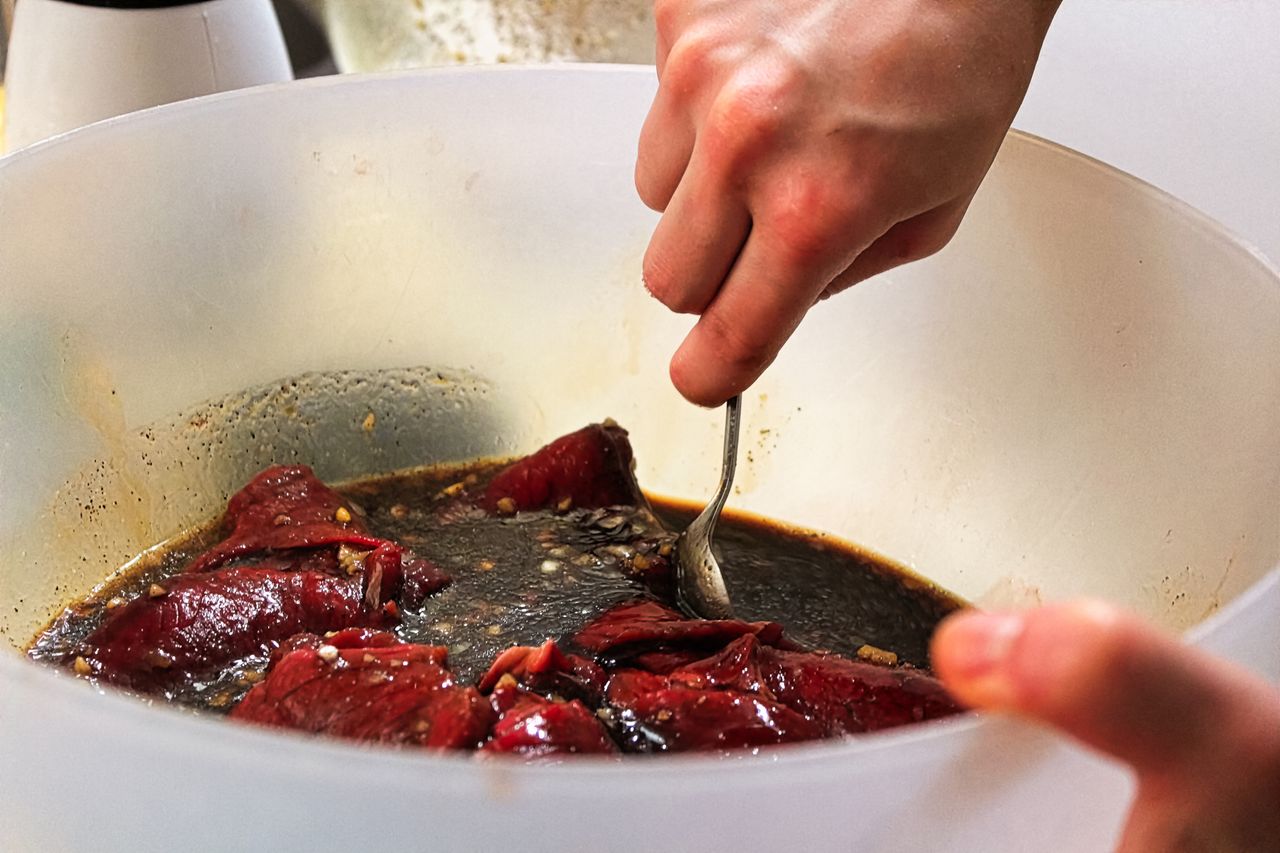
According to Irvine, “a well-balanced marinade with acid (citrus, vinegar, yogurt), salt, oil, and aromatics does the work on the exterior without compromising the interior moisture.” He places the meat in an air-tight container or zipper-lock bag to ensure it’s fully coated, flipping and massaging the meat occasionally. He lets tougher cuts like flank, skirt, and hanger steaks sit overnight.
Pryles encourages restraint, especially when dealing with tender, pricier cuts that need less intervention: “Too much acid or too much time can give the exterior an unpleasant soft or almost mealy texture.” She adds, “smaller or thinner pieces need much less time than large cuts, and highly acidic marinades should generally be used for shorter periods.”Anywhere from 30 minutes to a few hours gets the job done. If you add fresh pineapple to the mix (a fruit packed with the tenderizing enzyme bromelain), consider 30 minutes your max marinade time.
Irvine’s best advice: “Keep it simple, respect the protein, and don’t over-manipulate it. That’s how you turn everyday steak or chicken into something really memorable.”
Read the original article on Simply Recipes